
Whale season in Colombia: when and where to see them in 2026
Whale season in Colombia usually runs from July through October, with some sightings stretching into November on parts of the Pacific coast. During these months, humpback whales — known locally in Colombia as yubartas — travel from cold southern feeding grounds to warm tropical waters where they mate, give birth, and guide their calves through their first movements.
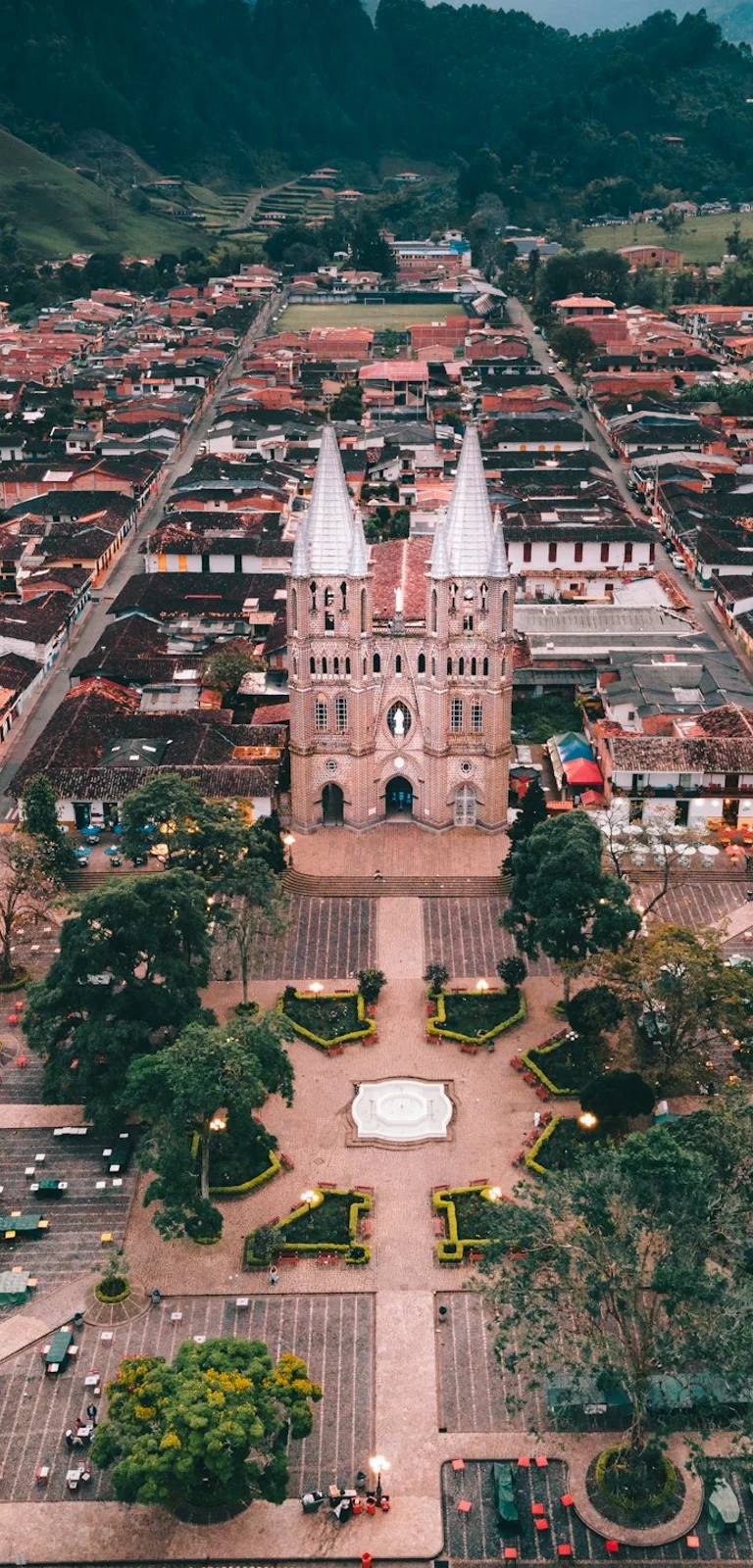
This guide is built for travelers who want the full picture before booking: the best months to go, where to see whales, what the trip can cost, how to get there, what to pack, and which rules protect both you and the animals. Colombia’s Pacific coast is extraordinary, but it is not a theme park. Rain, ocean conditions, regional flights, boat schedules, and park rules all shape the experience.
Our approach is local and practical. We compare Nuquí, Bahía Solano, Utría, Gorgona, and Bahía Málaga, then help you match the destination to your travel style. If you want someone to turn the route into a realistic itinerary, you can plan your trip with ColombiaTours or talk to a local planner.
Table of contents
- Quick answer: dates and best places
- Month-by-month whale watching calendar
- Why humpback whales come to Colombia
- Where to see whales in Colombia
- Nuquí
- Bahía Solano
- Utría National Natural Park
- Gorgona Island
- Bahía Málaga
- Routes and access map
- How much it costs
- 3-, 4-, and 5-day itinerary ideas
- How to get there
- Responsible whale watching rules
- Families, children, weather, and sea conditions
- What to pack
- FAQ
- Sources
Whale season in Colombia: quick answer
The best time to see humpback whales in Colombia is generally July to October. Colombia’s National Natural Parks have reported arrivals from mid-July to mid-October in Pacific protected areas, while tourism sources often describe a broader July-to-November window depending on the destination and year.
- Best months: August and September, when activity is often more consistent and travelers have a strong chance of seeing mothers with calves.
- Best areas: Nuquí, Bahía Solano, Ensenada de Utría, Bahía Málaga, and Gorgona.
- Recommended stay: 4 to 5 days, so one rainy morning or rough-sea day does not define the whole trip.
- Best fit: nature travelers, photographers, families with older children, couples, and people who enjoy remote coastal places.
To build a broader route around the season, compare our ideas for places to visit in Colombia, our guide to the best time to visit Colombia, and our Colombia nature tours.
Whale watching calendar: July, August, September, and October
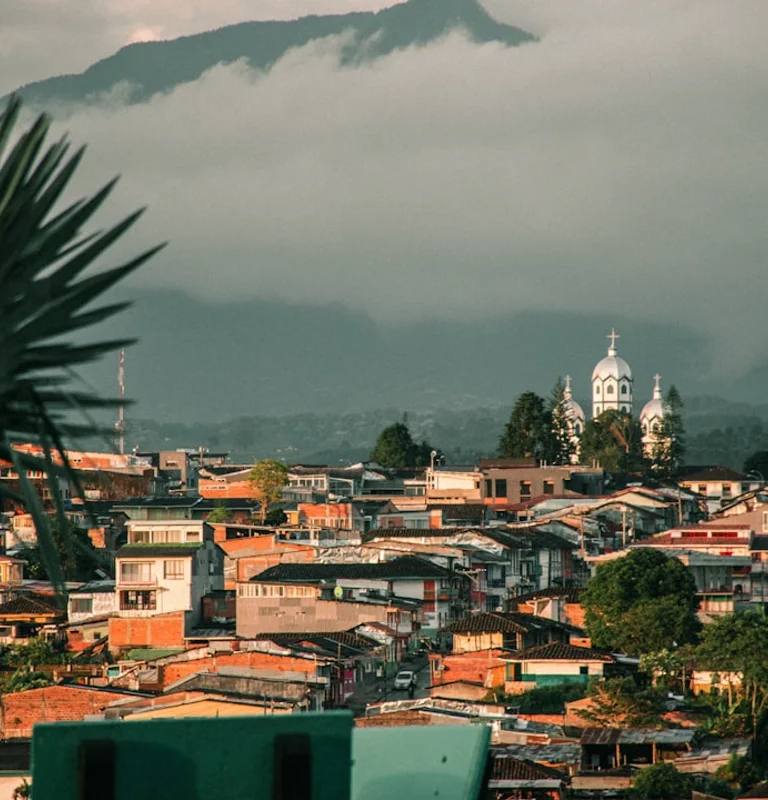
The season changes as it unfolds. July is the beginning: operators start reporting activity, boat trips resume in many communities, and early travelers may find a little more flexibility. August and September are the most requested months for Colombia whale watching because humpback presence is usually steady, with more frequent signs of courtship, nursing, blows, tails, pectoral fins, and occasional breaches. October is the gradual close; sightings can still be good, but you should confirm departures and conditions before locking the trip.
| Month | What to expect | ColombiaTours planning tip |
|---|---|---|
| July | First arrivals, early boat departures, and a season that is still warming up. | Good if you want lower demand; confirm that your chosen operator is already running trips. |
| August | High activity, more travelers, and strong sighting probability. | Book regional flights, lodges, and whale watching slots early. |
| September | One of the best months for mothers and calves. | Stay 4 or 5 days to protect your trip from rain or sea delays. |
| October | Season winds down in several areas, but sightings may continue. | Ask about schedules, weather policy, and what happens if boats cannot go out. |
Why do humpback whales come to Colombia?
Humpback whales migrate thousands of miles from colder southern waters toward the tropical Pacific coast of Colombia. Colombian official and tourism sources often describe this migration as roughly 8,500 kilometers. The warmer and relatively sheltered waters help with mating, birth, and the first weeks of calf care.
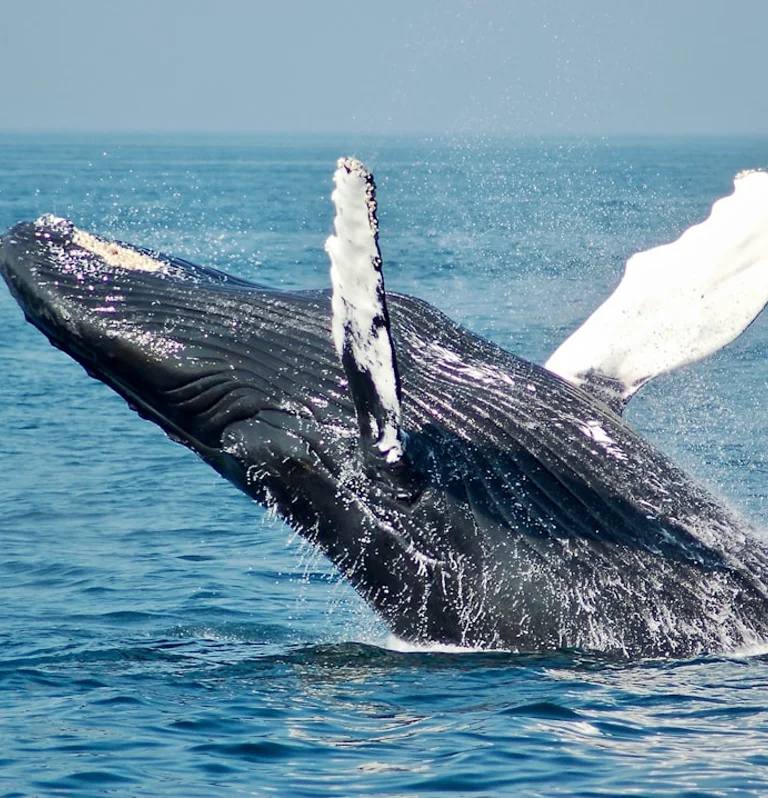
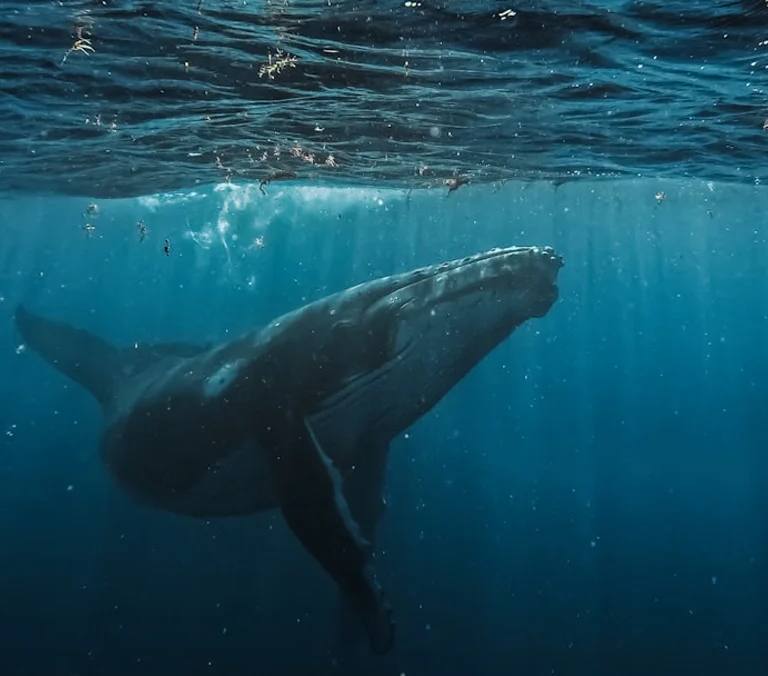
During the season, travelers may see blows, dorsal fins, tails, pectoral fins, spyhops, breaches, and mother-calf behavior. Still, wildlife does not run on a schedule. A trustworthy operator will be clear that sightings depend on weather, sea state, legal rules, animal behavior, and the captain’s decision on whether conditions are safe.
Where to see whales in Colombia
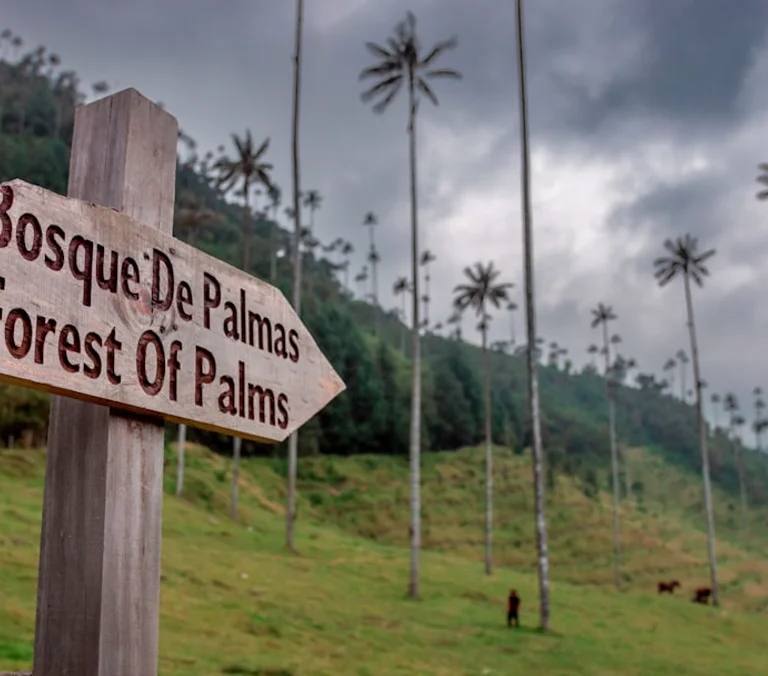
| Destination | Main season | How to get there | Recommended days | Best for | Local note |
|---|---|---|---|---|---|
| Nuquí, Chocó | July to October; peak often August-September | Fly to Nuquí from Medellín or via regional air connections | 4 to 5 | Rainforest beaches, hot springs, intimate nature stays | Book lodging and boat capacity ahead of time. |
| Bahía Solano, Chocó | July to October, with a strong August-September window | Fly to Bahía Solano / José Celestino Mutis, then transfer to El Valle or nearby beaches | 4 to 6 | Photography, beaches, rainforest walks, waterfalls | Leave buffer days: weather can affect both flights and boat trips. |
| Utría National Natural Park | July to October | Authorized boat from Nuquí or Bahía Solano | 1 day inside a 4- or 5-day trip | Protected waters, mangroves, biodiversity | Check current opening status, permits, and visitor rules. |
| Gorgona, Cauca | July to October or sometimes November | Via Buenaventura or Guapi, depending on current operations | 4 to 5 | Diving, natural history, adventurous travelers | It is a National Park: respect quotas, schedules, closures, and guides. |
| Bahía Málaga, Valle del Cauca | July to October | Travel to Buenaventura, then boat to Juanchaco, Ladrilleros, or nearby areas | 3 to 4 | Travelers coming from Cali, shorter nature escapes | Verify authorized operators and tide conditions before departure. |
Nuquí: whales, rainforest beaches, and a slower rhythm
Nuquí is one of the classic places for whale season in Colombia because it brings together the Pacific Ocean, rainforest, coastal communities, hot springs, and small-scale nature lodges. From town and nearby beaches, travelers often connect with Guachalito, Termales, Coquí, and other coastal areas, always through local operators.
The trip works best when you do not rush it: an early whale watching departure, a quiet afternoon at hot springs or on the beach, and at least one flexible day in case the ocean has other plans. Nuquí is especially good for travelers who want simplicity, deep nature, and a feeling of being far from the usual city-to-city route.
Bahía Solano and El Valle: a complete base for whale watching
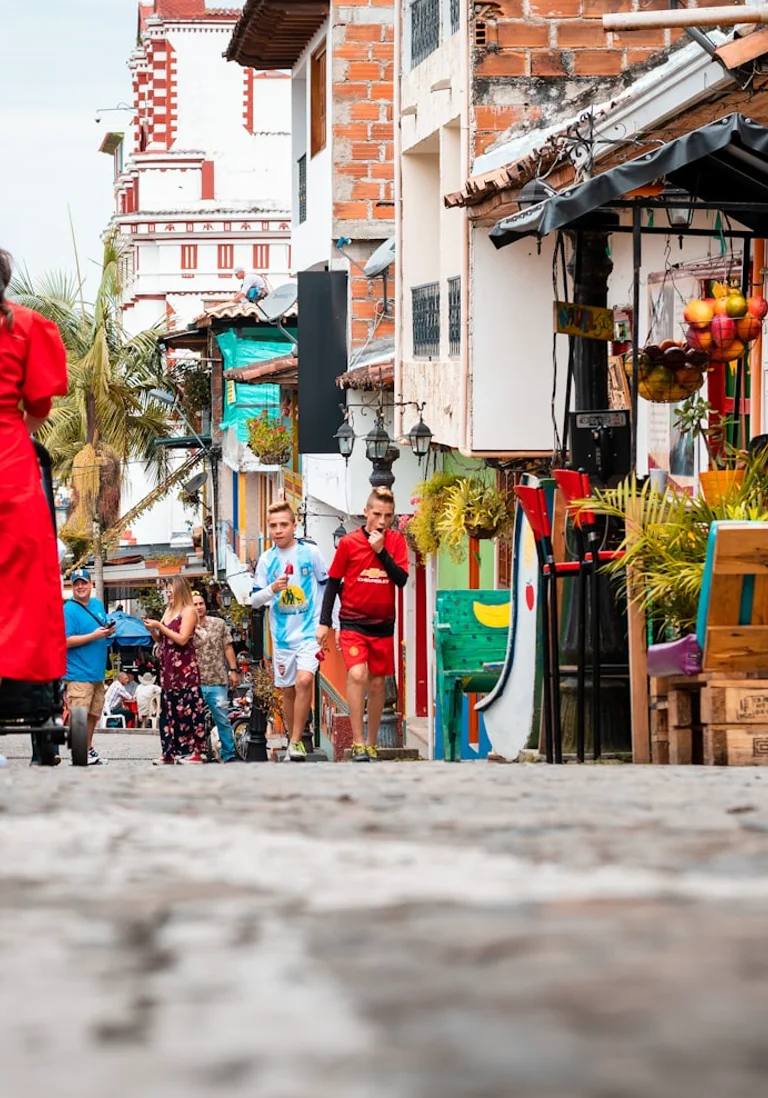
Bahía Solano is one of Chocó’s most complete bases for combining whale watching with beaches, forest walks, waterfalls, and local culture. Many travelers stay in El Valle or around Playa Almejal. The advantage is variety: if the sea is not ideal one morning, the destination still offers nature activities close to your lodge.
If you bring a camera, protect it from saltwater and sudden rain. If you travel with family, ask about minimum ages, child-sized life jackets, boat duration, and the captain’s experience. On the Pacific, distances are measured in real sea time: a route that looks short on a map can feel different when rain, tides, or swell change.
Utría National Natural Park: protected waters and biodiversity
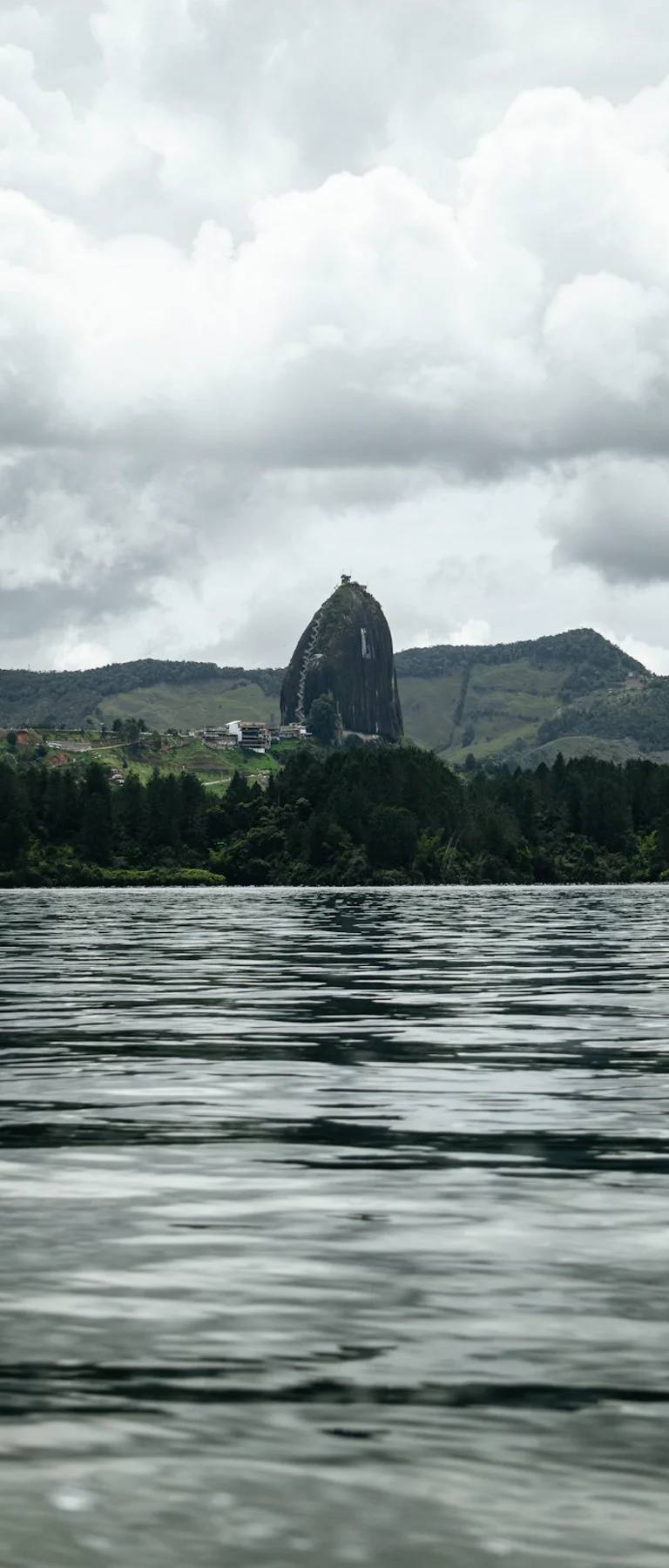
Utría is closely linked with both Bahía Solano and Nuquí. Colombia’s National Natural Parks describe it as a place of warm, calmer waters that attract migratory species. In season, the bay, mangrove, and rainforest landscape creates one of the most powerful scenes on the Pacific coast.
Because it is a National Park, conservation comes first. Before adding Utría to your route, check opening status, visitor quotas, guide requirements, entrance fees, boat permissions, and any temporary closures. Not every day or sector operates the same way.
Gorgona: whales, diving, and natural history
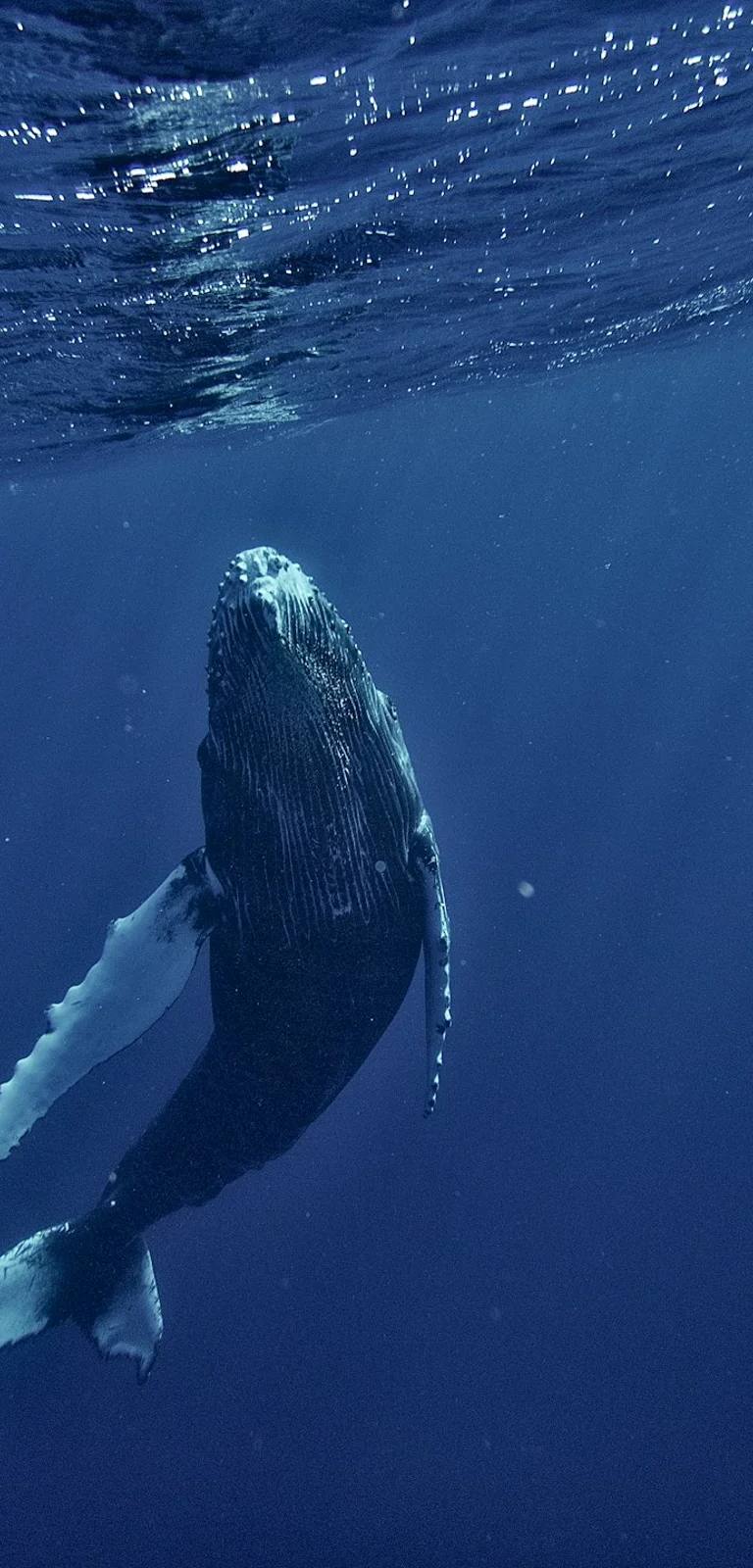
Gorgona is one of the strongest names in any conversation about humpback whales in Colombia. Colombia Travel highlights it as a key whale watching destination, and National Natural Parks emphasizes its terrestrial and marine biodiversity. It requires more planning than a simple beach escape, but it can be unforgettable for travelers who love wild nature.
Beyond whale watching, Gorgona is associated with diving, trails, humid forest, reefs, and a unique history. Treat it as a small expedition: work with an experienced operator, confirm access routes, respect park logistics, and avoid tight connections on either side of the visit.
Bahía Málaga: a practical option from Cali and Valle del Cauca
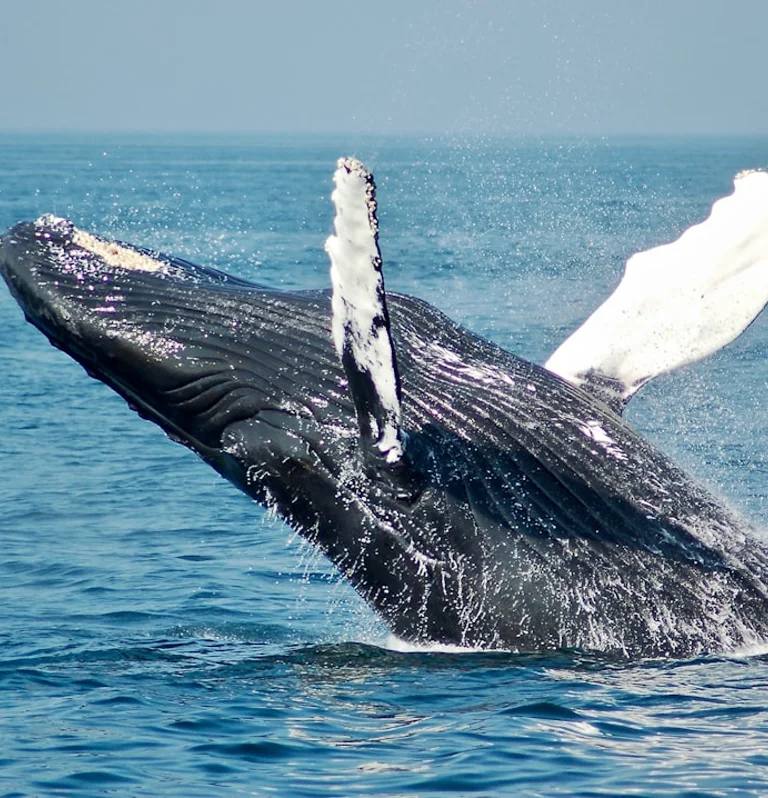
Bahía Málaga, around Buenaventura, Juanchaco, and Ladrilleros, is a practical option for travelers starting in Cali or southwestern Colombia. Uramba Bahía Málaga National Natural Park protects an important marine area, and the region has strong local knowledge around nature tourism.
The usual logistics involve traveling by road to Buenaventura and then taking a boat toward the coastal communities. As anywhere on the Pacific, review tides, weather, boat schedules, and operator reputation. For a 3- or 4-day escape, Bahía Málaga can be a smart introduction to the season.
Route map: how to think about Colombia’s Pacific whale destinations
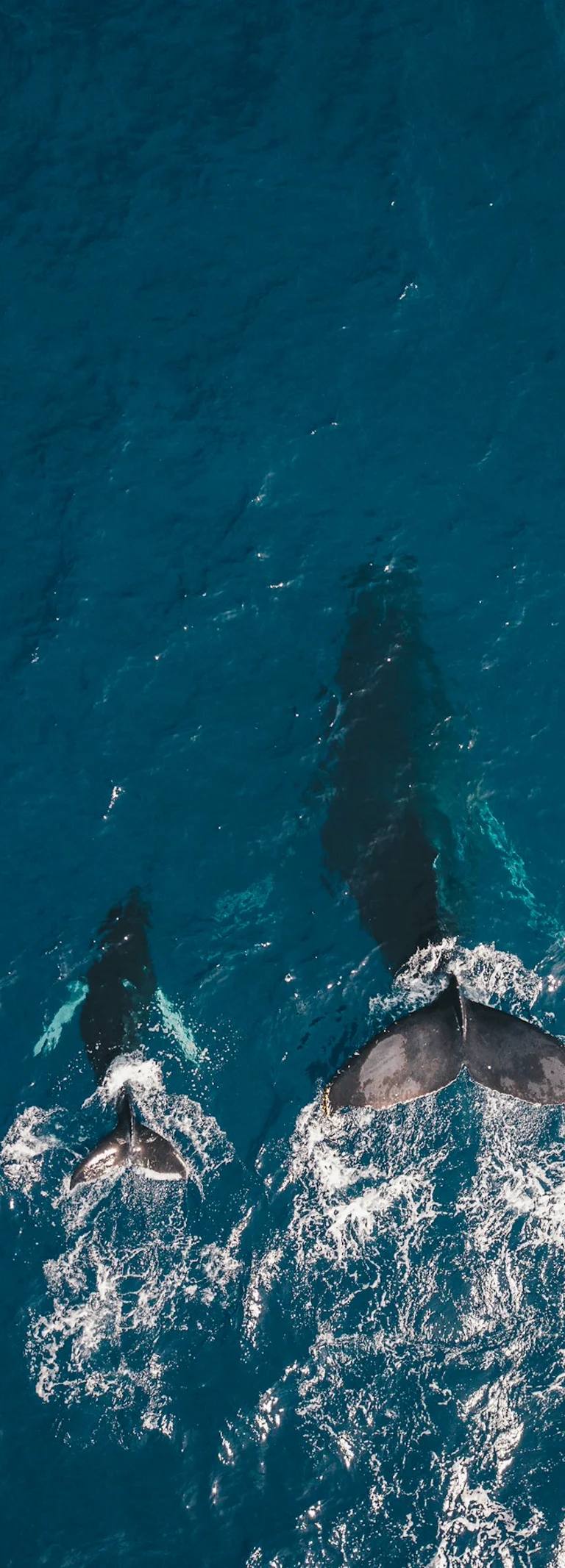
Think of the Colombian Pacific in three gateways. The first is northern Chocó: fly to Nuquí or Bahía Solano, then connect with beaches, El Valle, Playa Almejal, Utría, and nearby communities. The second is Valle del Cauca: arrive in Buenaventura and continue by boat toward Juanchaco, Ladrilleros, La Barra, or Bahía Málaga. The third is Gorgona: coordinate park space, routes via Guapi or Buenaventura, and official operations.
If you want a smoother journey, choose one base and build nearby activities around it. If you want a deeper nature trip, combine whales, rainforest, mangrove, beaches, and diving — but do not compress the route. The Pacific rewards travelers who leave room for weather and local advice.

How much does whale watching cost in Colombia?
Prices change by date, destination, lodge category, flights, number of boat outings, and whether meals and transfers are included. As an editorial reference, use these approximate per-person ranges:
| Item | Approximate range | Notes |
|---|---|---|
| Local whale watching outing | COP 120,000 to 280,000 | Varies by destination, boat, duration, guide, group size, and season. |
| 3-night Pacific package | COP 1,500,000 to 3,800,000 | May include lodging, meals, transfers, and one whale watching departure. |
| Regional flights | COP 450,000 to 1,200,000+ | Depends on route, luggage, booking time, and availability. |
| Extra expenses | COP 150,000 to 500,000 | Park fees, community fees, drinks, tips, waterproof gear, and cash-only services. |
For international travelers, it is usually easier to plan the Pacific with a local advisor than to improvise every leg separately. August and September can sell out quickly, and regional schedules are not as flexible as major-city routes. ColombiaTours can help adjust nights, routes, comfort level, and expectations to your budget when you plan your trip.

Mini-itineraries for whale watching: 3, 4, or 5 days
3-day escape from Cali to Bahía Málaga
Day 1: travel to Buenaventura, boat to Juanchaco or Ladrilleros, and settle in. Day 2: whale watching with an authorized operator, followed by rest or a short walk if the weather allows. Day 3: return with enough time for tides, boat schedules, and road conditions.
4-day trip to Nuquí
Day 1: regional flight, local transfer, and a briefing on safety and whale watching rules. Day 2: whale watching outing, then beach time or hot springs. Day 3: second chance at sea or an alternative rainforest activity if rain moved the first plan. Day 4: return without tight onward connections.
5-day route through Bahía Solano and Utría
Day 1: arrive in Bahía Solano and transfer to El Valle or Playa Almejal. Day 2: whale watching. Day 3: waterfall, beach, or forest walk. Day 4: visit Utría if the park is operating and conditions allow. Day 5: return with buffer time for Pacific weather.
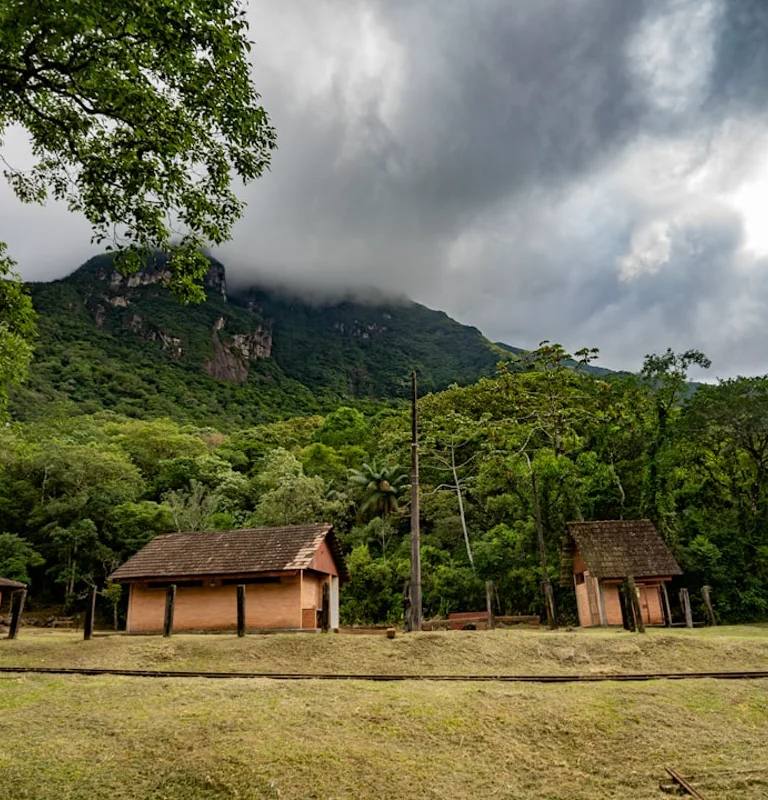
How to get to Colombia’s whale watching destinations
How to get to Nuquí
The common route is a regional flight from Medellín to Nuquí, followed by a boat or local transfer to your lodge. Pack light because regional aircraft often have strict luggage limits.
How to get to Bahía Solano
Travelers fly to Bahía Solano and continue to El Valle, Playa Almejal, or nearby areas. Avoid scheduling an international connection on the same day you plan to leave the Pacific.
How to get to Utría
Utría is usually integrated from Nuquí or Bahía Solano by authorized boat. Confirm whether the park is open to visitors and which services are currently available.
How to get to Gorgona
Operations may run via Buenaventura or Guapi depending on the season and provider. Because Gorgona is an island National Park, it requires more coordination in advance.
How to get to Bahía Málaga
From Cali, travel to Buenaventura and then take a boat to Juanchaco, Ladrilleros, or other authorized areas. Review boat times and sea conditions before departure.
To design a bigger route, see our guide on what to do in Colombia, browse our Colombia tours, or compare our favorite beaches in Colombia.
Responsible whale watching rules
Seeing whales should never mean chasing them. A good outing respects distance, avoids cutting across the whale’s path, never separates mothers and calves, limits observation time, and follows the guide’s instructions. If a whale changes direction, repeatedly slaps its tail, or moves away, the boat should give space.
- Choose authorized operators with trained local guides.
- Do not ask the captain to move closer for a photo.
- Never throw food, trash, or objects into the water.
- Keep noise low; shouting and music change the experience for everyone.
- Wear your life jacket and follow the crew’s instructions.
- Inside National Parks, respect quotas, schedules, routes, and closures.
- When mothers and calves are present, be extra careful: boats should not surround or trap them.
National Parks has recommended wide viewing distances — 200 meters in seasonal guidance — and operation within permitted hours. The most meaningful encounter is one where the whale’s natural behavior remains intact.
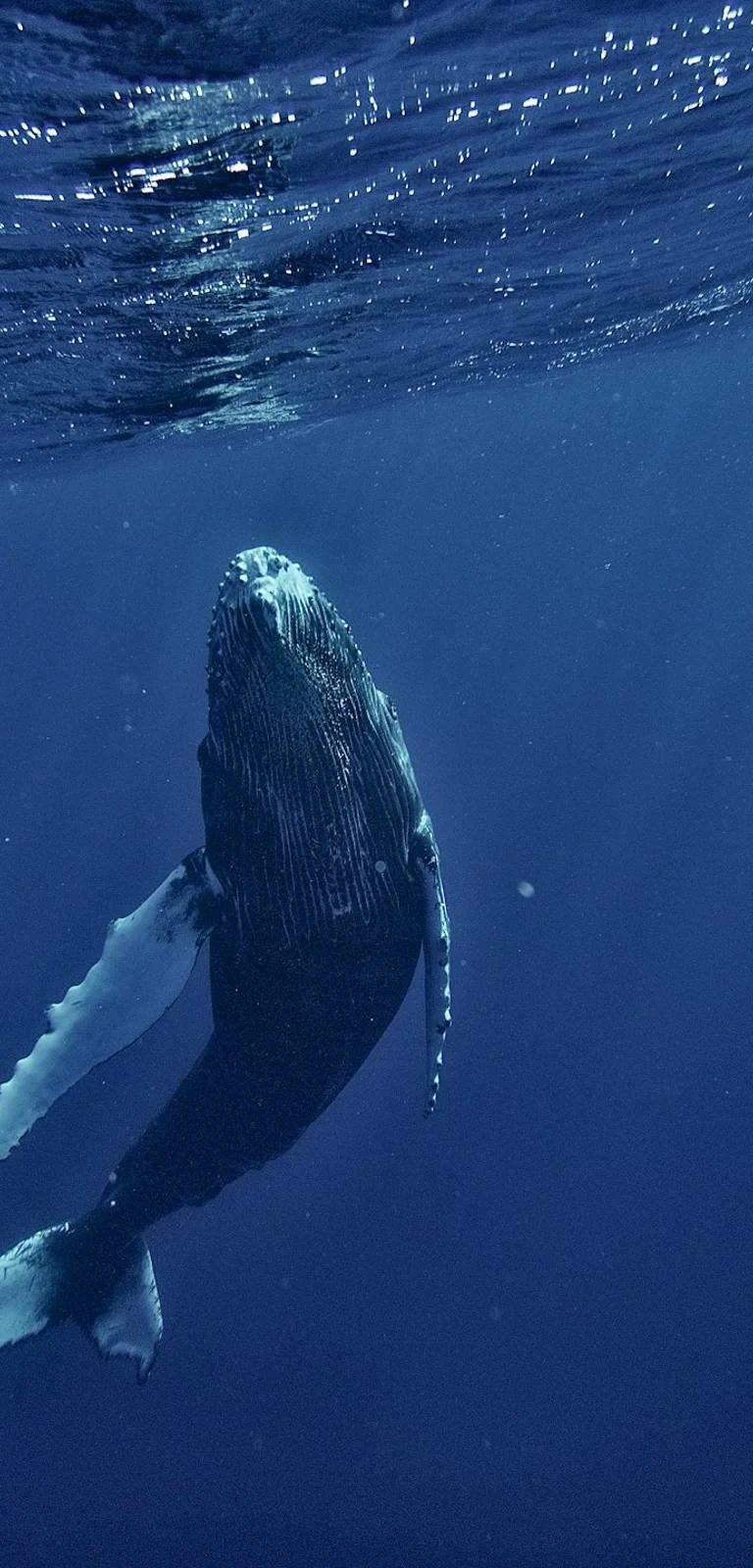
Traveling with children, weather, and sea conditions
Whale watching with children can be safe when it is planned carefully. Before booking, ask about minimum age, boat time, child-sized life jackets, the captain’s experience, what happens if the sea gets rough, and the weather cancellation policy. If a child gets seasick easily or becomes anxious in waves, choose a shorter outing, stay more nights, and do not make the first morning your only chance.
Safety in Colombia’s Pacific is less about fear and more about respect for conditions. Rain can arrive quickly. Carry protected documents, dry clothes in a bag, water, simple snacks, and motion-sickness medication recommended by a professional if you need it. No photograph is worth an unsafe departure.
What to pack for whale season in Colombia
- Light rain jacket or poncho.
- Dry bag for phone, camera, passport copy, and documents.
- Biodegradable sunscreen, hat, and sunglasses with a strap.
- Quick-dry clothing and sandals or water shoes with grip.
- Binoculars if you want to observe without asking the boat to approach.
- Motion-sickness medication if you are sensitive to movement.
- Small bills in Colombian pesos; not every place accepts cards.
- Travel insurance, especially for remote Pacific destinations.
Avoid large hard-shell suitcases. Soft luggage or a backpack is easier on regional flights, boats, wet docks, and small lodges.
When to book your whale watching trip
For August and September, try to book at least 6 to 10 weeks ahead if you want better lodge and flight options. July and October can be more flexible, but holidays, school breaks, and local capacity still matter.
If your priority is photography and higher activity, aim for August or September. If you prefer fewer travelers, consider the beginning or end of the season while accepting that wildlife can be less predictable.
Common mistakes when planning Colombia whale watching
- Staying only one night: if rain or swell cancels your only outing, the whole plan collapses.
- Choosing only by price: a cheaper boat is not worth irresponsible or unsafe practice.
- Booking tight flight connections: the Pacific needs buffer time.
- Packing heavy city clothes: humidity and rain call for quick-dry layers.
- Expecting a breach on command: sightings are likely in season, but every outing is different.
Pacific coast and whale gallery
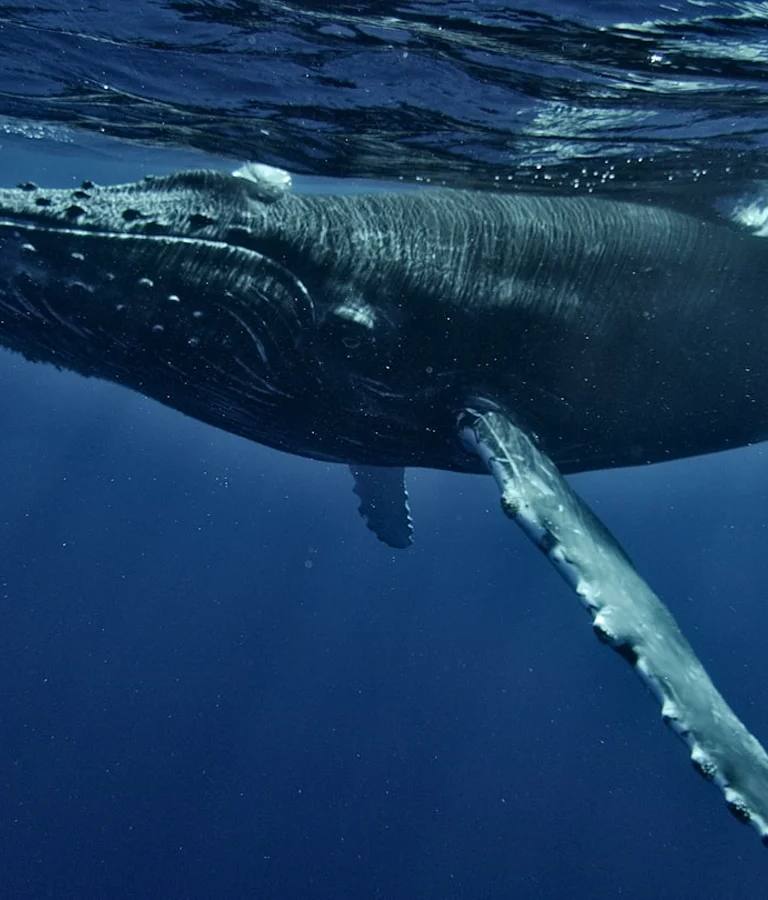
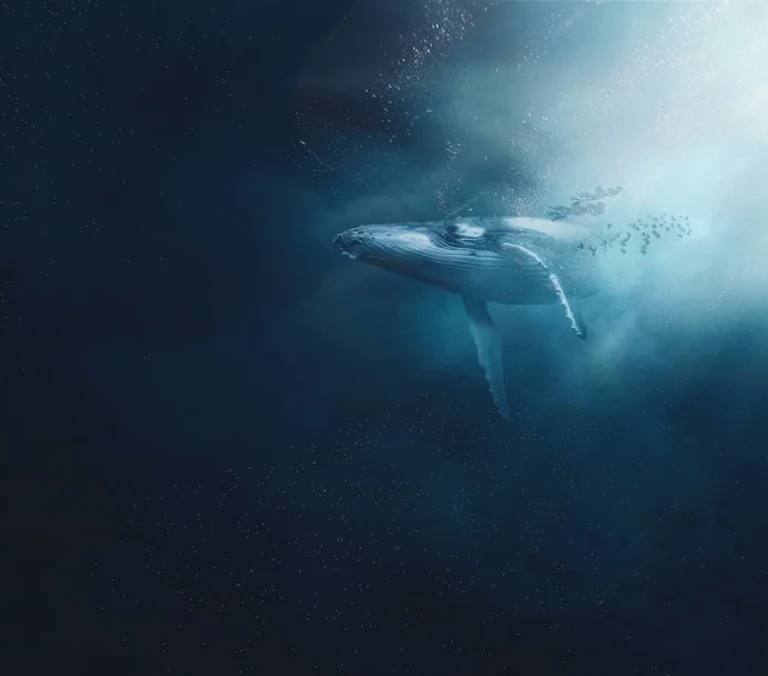
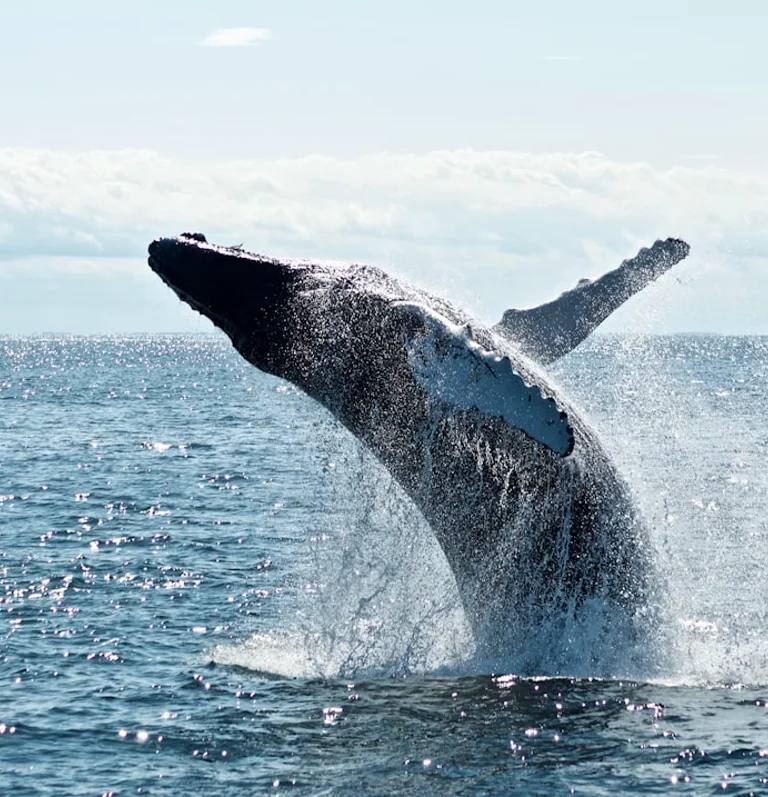
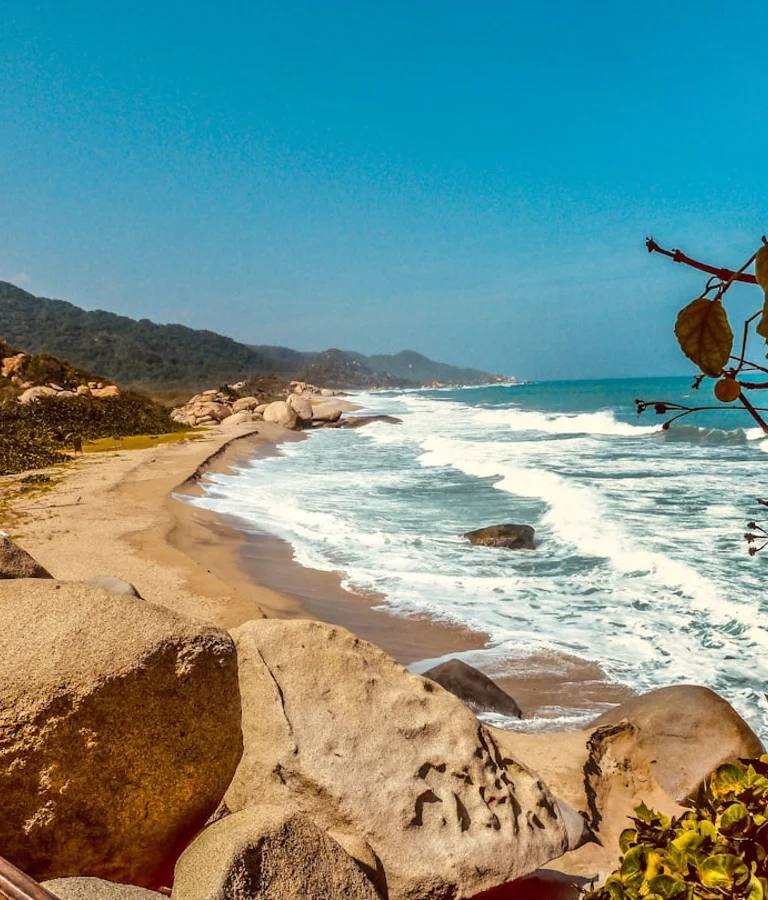
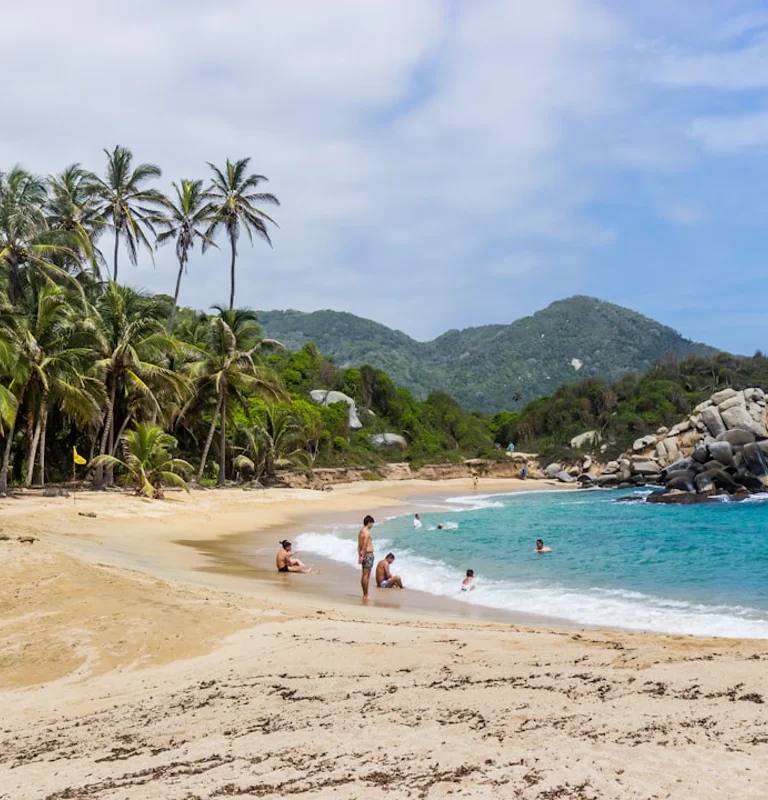
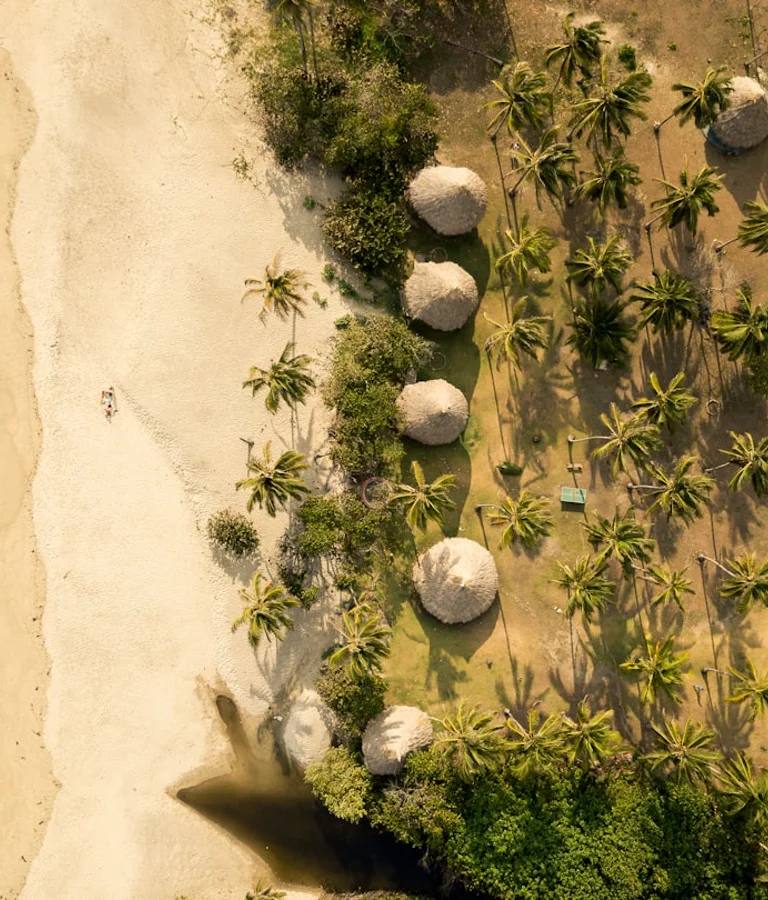
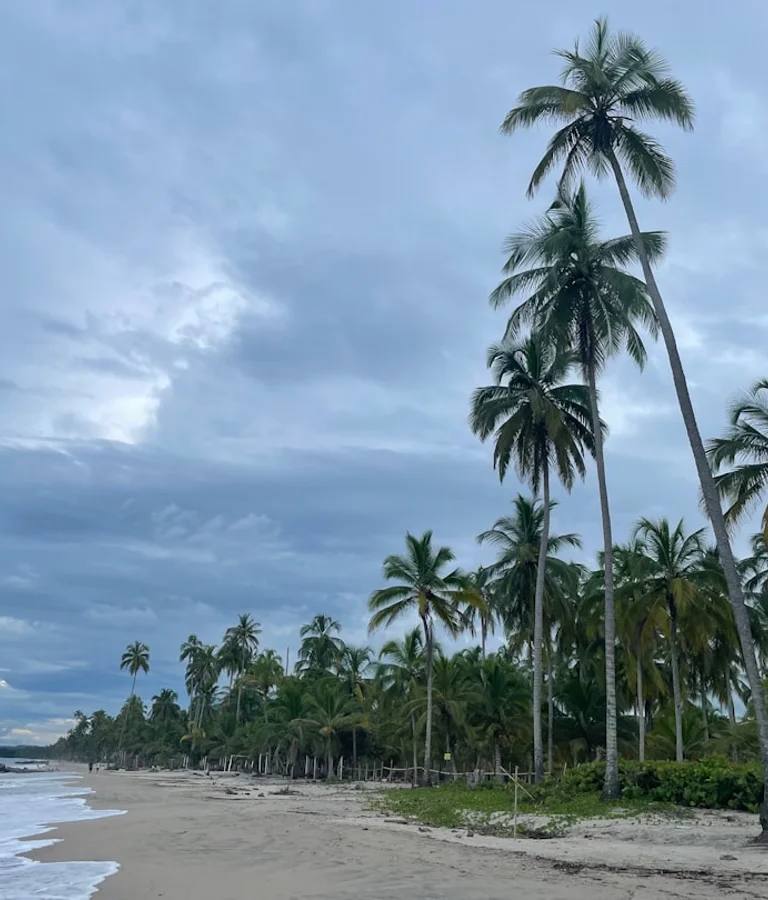
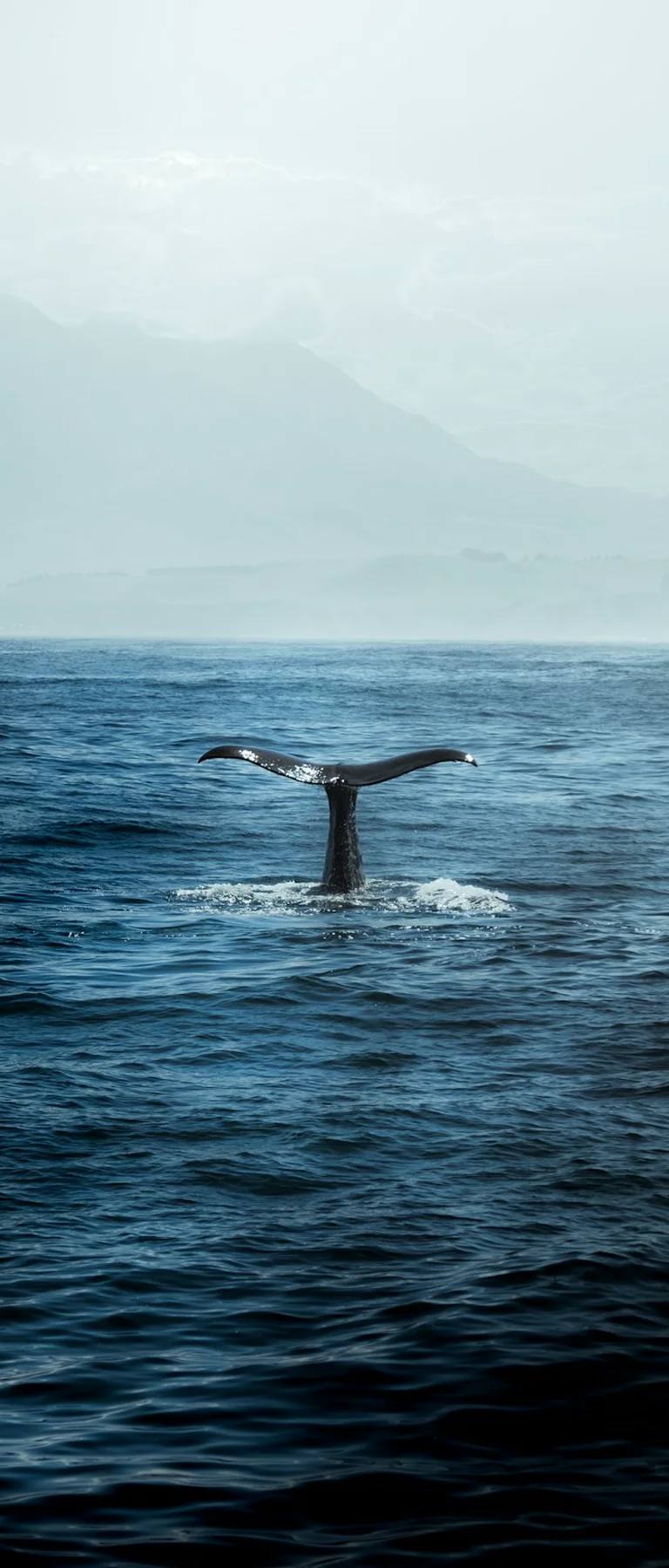
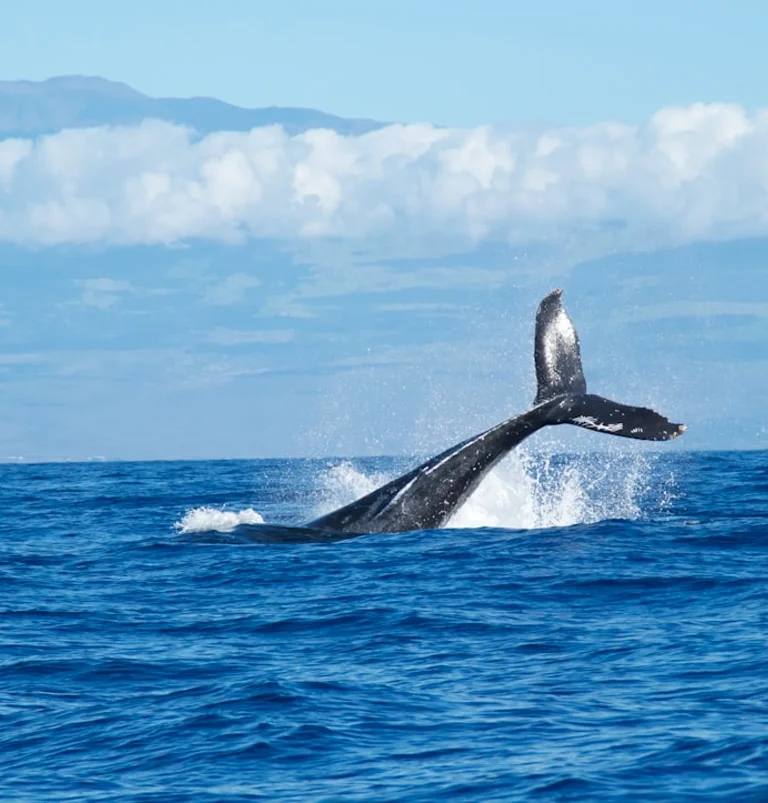
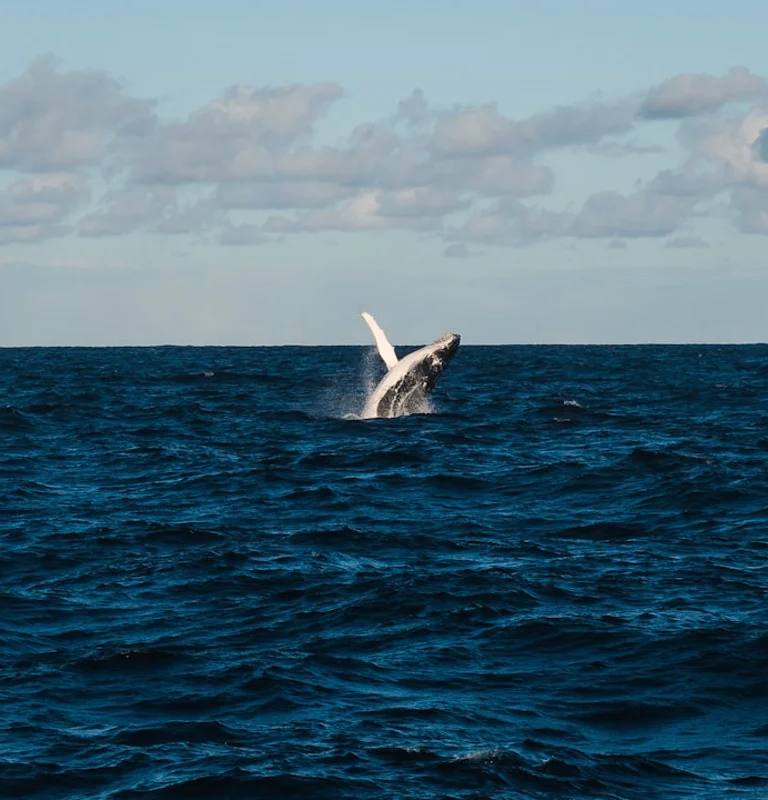
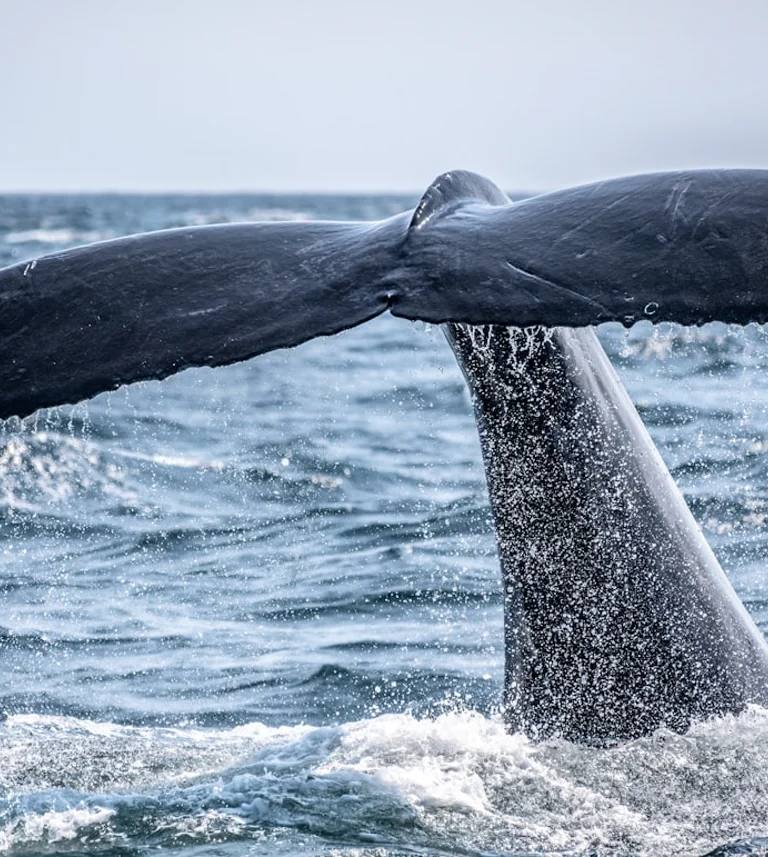
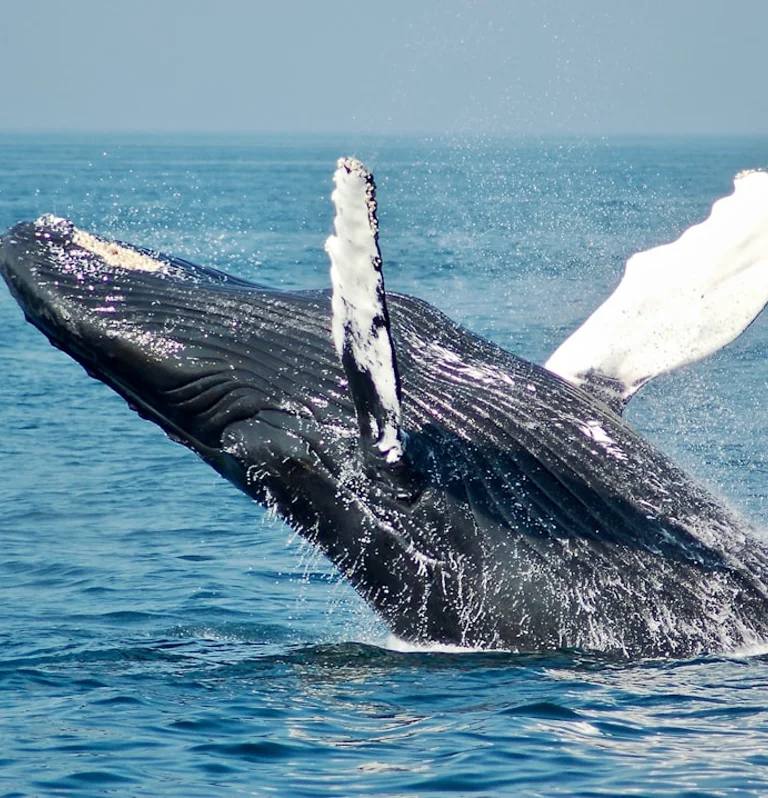
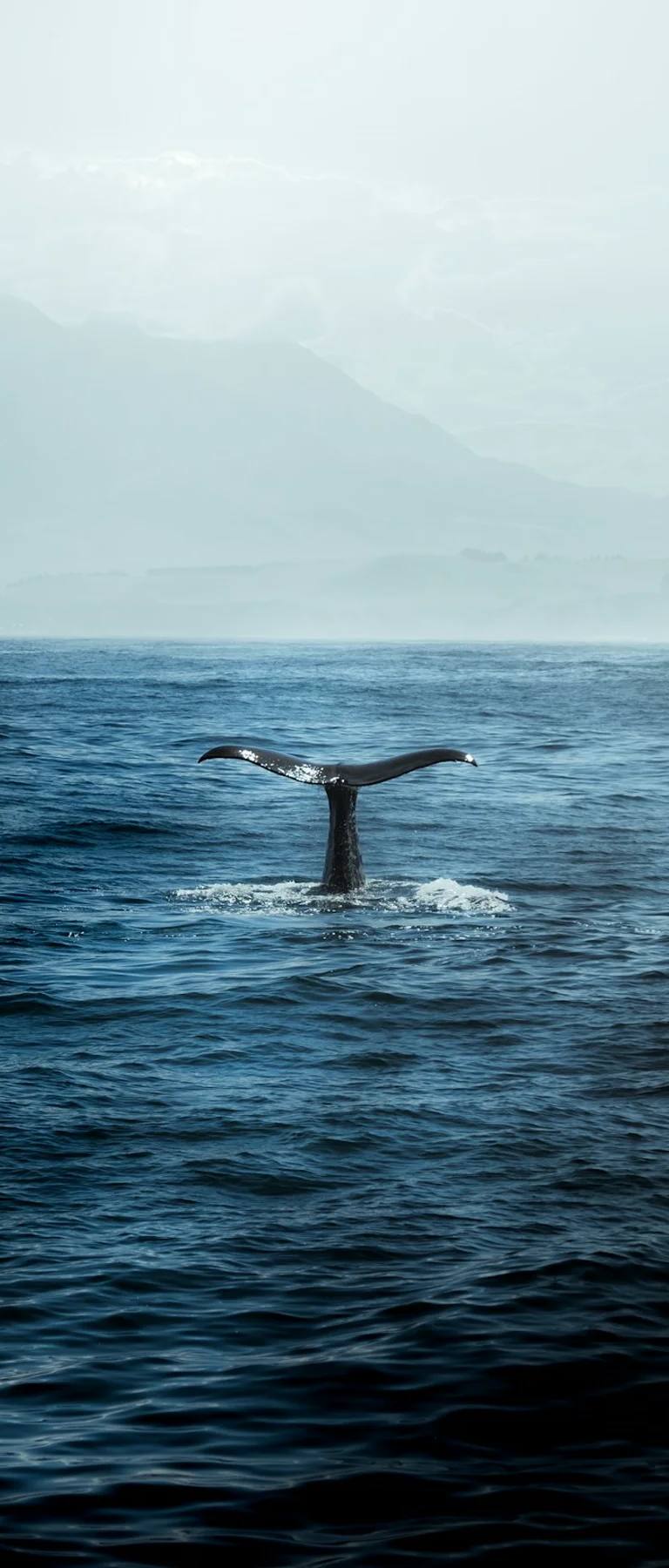
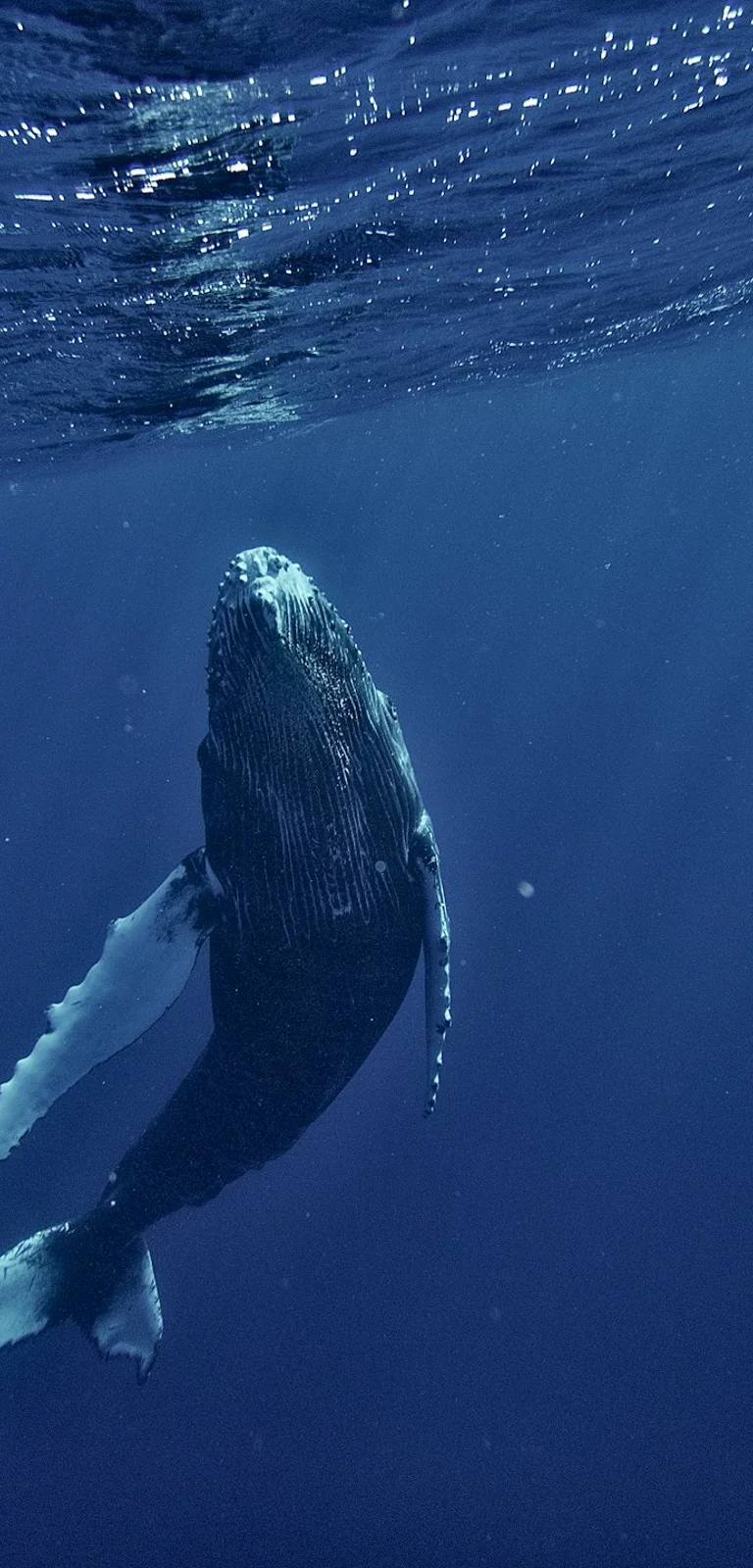
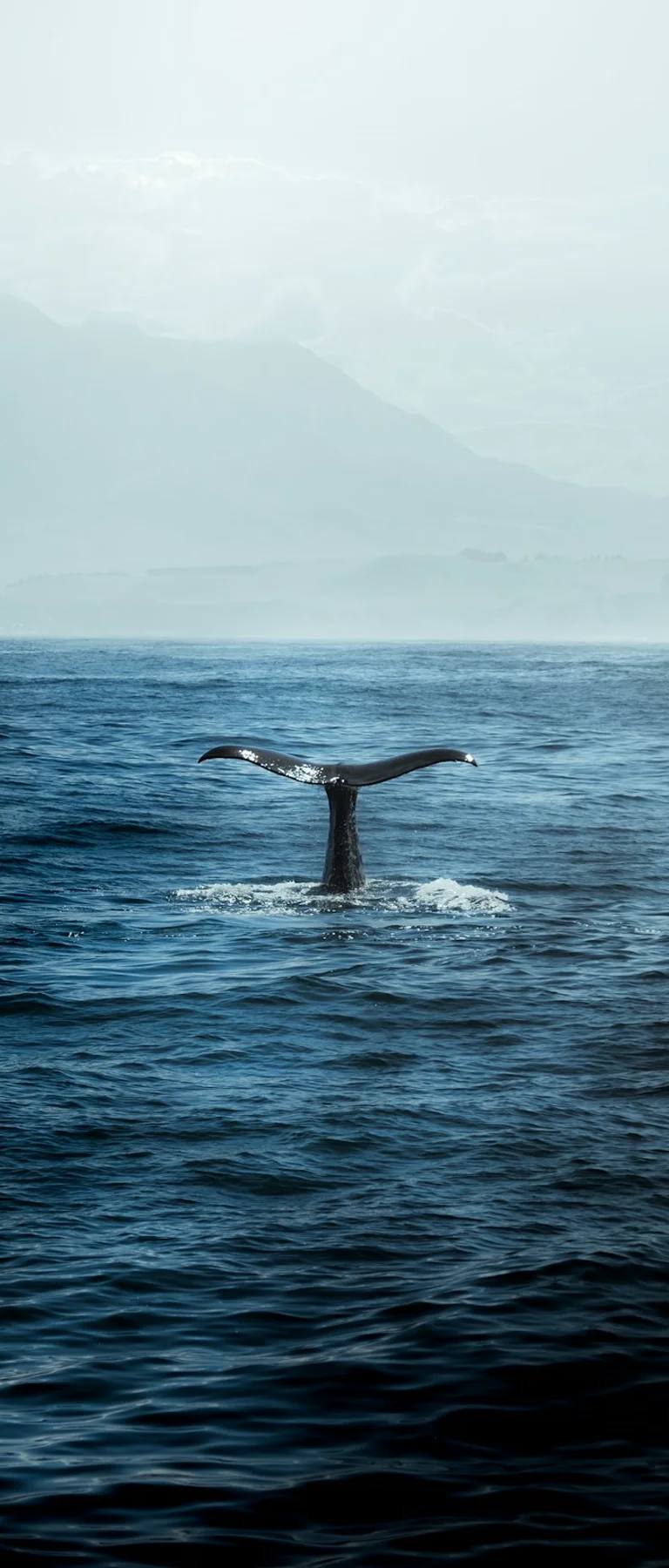
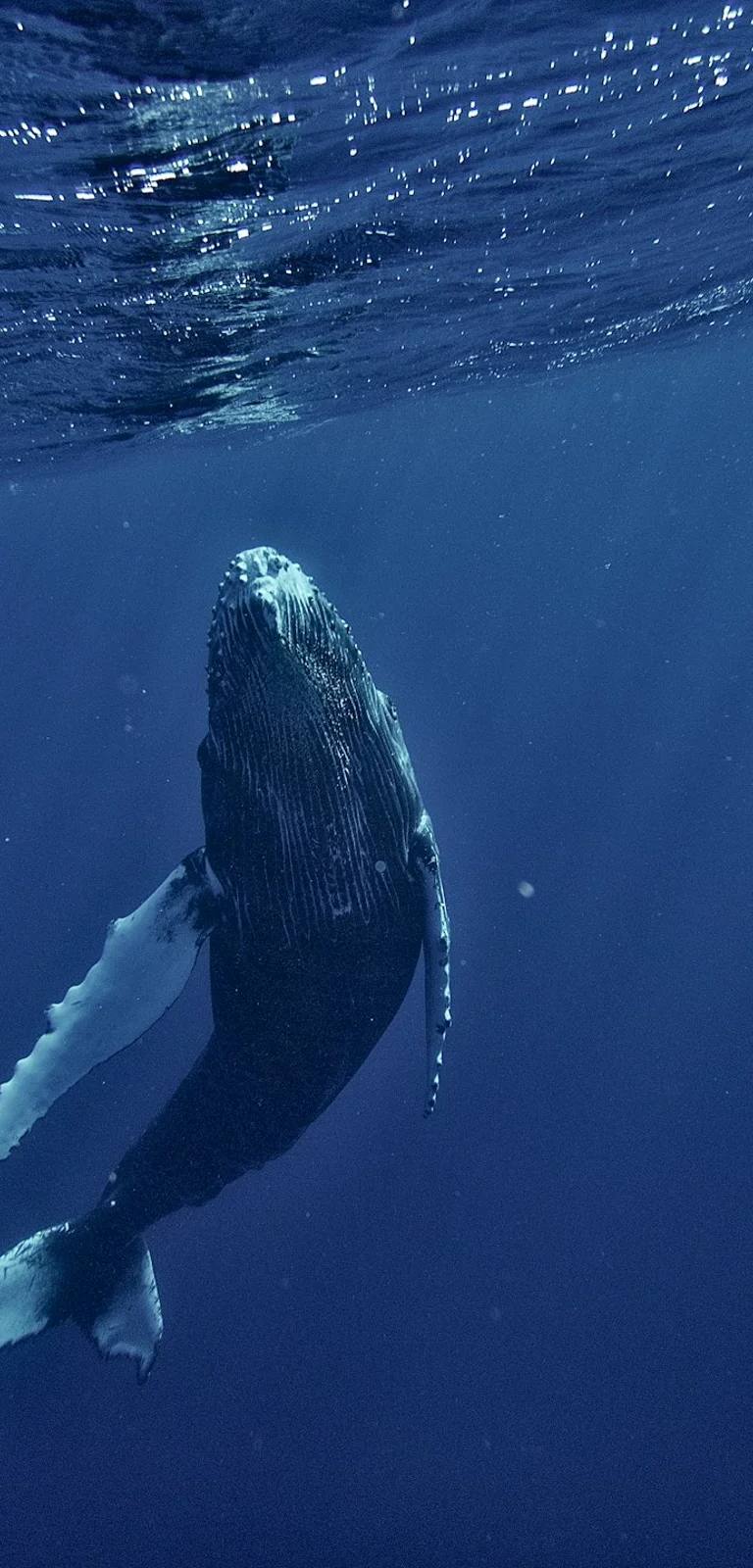
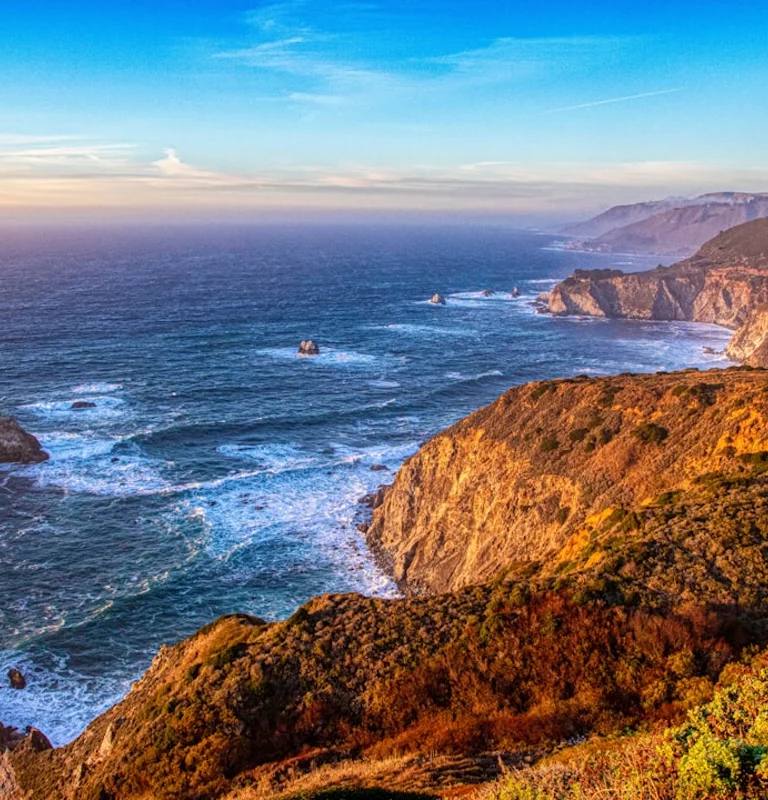
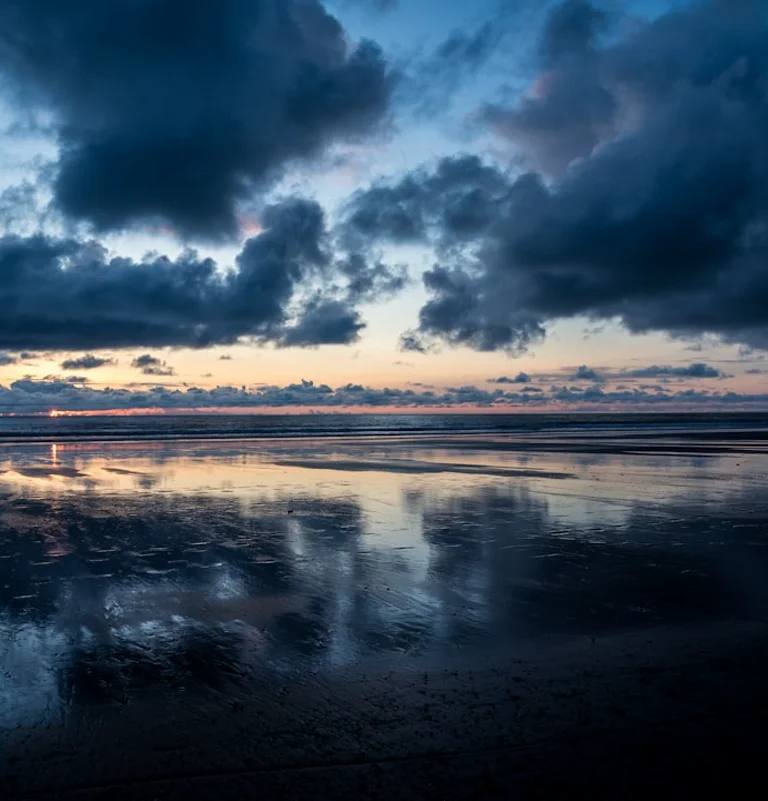
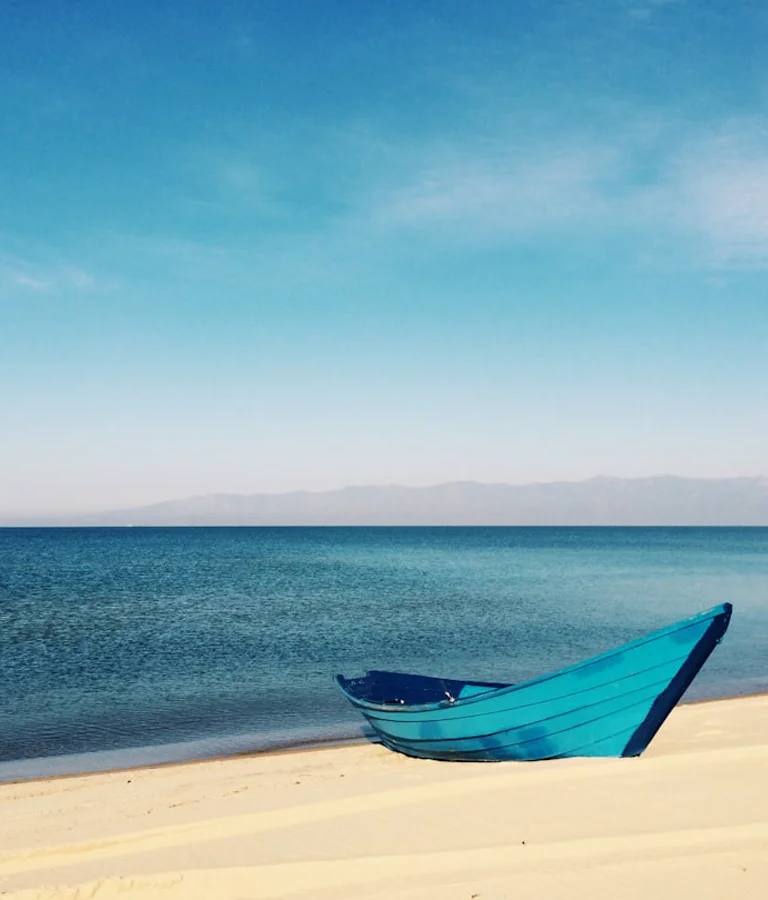
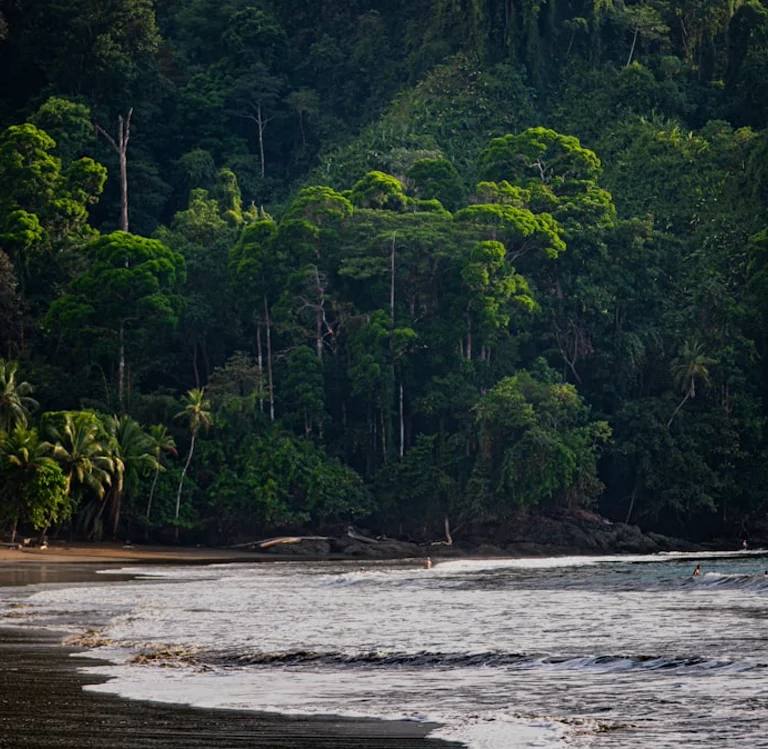
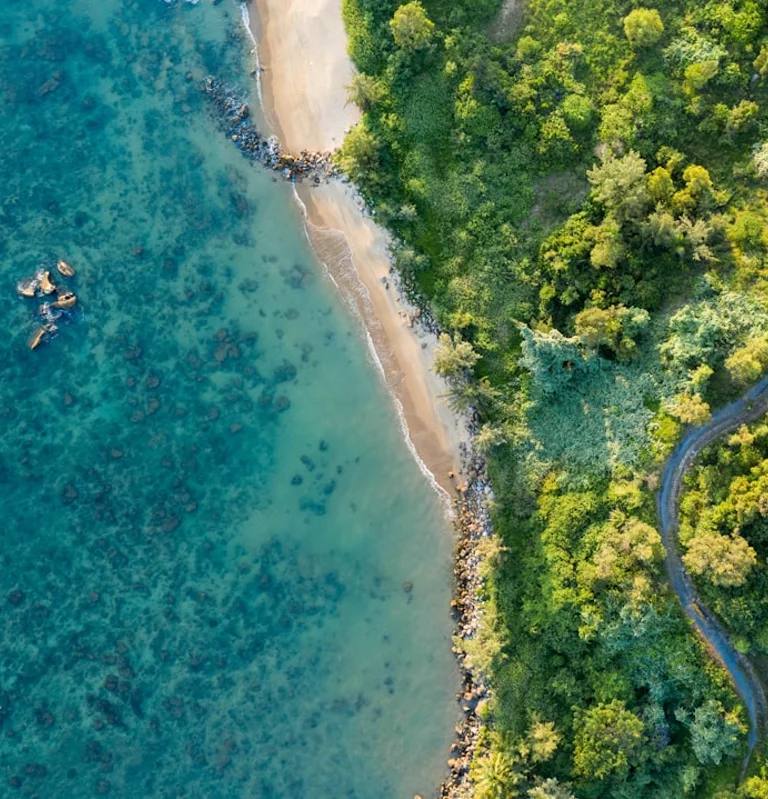
These supporting images from Unsplash are optimized in the ColombiaTours media library. They show different pieces of the journey: humpback whales underwater, tails, blows, breaches, beaches, rainforest, boats, mangroves, and Colombia’s Pacific coast.

FAQ about whale season in Colombia
When is the best time to see whales in Colombia?
The main window is July to October. Some destinations and tourism sources extend the season into November, but August and September are usually the strongest months for planning.
Where is the best place to see whales in Colombia?
It depends on your route. Nuquí and Bahía Solano are excellent for combining whales, rainforest, and beach time; Utría and Gorgona are strong for protected-area nature; Bahía Málaga is practical if you start from Cali.
How much does a whale watching tour cost?
A local outing can cost roughly COP 120,000 to 280,000 per person. Multi-night packages can exceed COP 1,500,000 depending on flights, lodging, transfers, meals, and included activities.
How do I get to Nuquí for whale watching?
The most common route is to fly from Medellín to Nuquí, then continue by local transfer or boat to your lodging. Travel light because regional luggage limits can be strict.
What should I bring for whale watching?
Bring a rain layer, dry bag, quick-dry clothing, biodegradable sunscreen, hat, cash, grippy footwear, and motion-sickness medication if you need it.
Is whale watching safe with children?
It can be, with an authorized operator, suitable life jackets, favorable sea conditions, and a boat ride length that fits the child’s age and comfort level.
Can you swim with whales in Colombia?
That is not the responsible approach. Whale watching should be done from authorized boats while respecting distance, time limits, and the animal’s behavior.
What happens if I do not see whales?
In season, the probability is high but never absolute. This is why we recommend staying several nights and choosing destinations with alternate activities such as beaches, hot springs, rainforest walks, waterfalls, or mangroves.
Sources consulted
- Parques Nacionales Naturales de Colombia: “A love song in the Pacific: welcoming whales to Colombia” (Spanish-language official source).
- Parques Nacionales Naturales de Colombia: destination information for Uramba Bahía Málaga, Gorgona, and Utría National Natural Parks.
- Colombia Travel / ProColombia: “3 places in Colombia where you can see humpback whales” (Spanish-language official source).
- National Parks seasonal guidance on viewing distances and operating hours reported for whale season.
- DataForSEO English-market SERP benchmark for whale-season content around Colombia.
- ColombiaTours editorial review of local logistics, routes, seasonality, and responsible travel practices on Colombia’s Pacific coast.
Author
ColombiaTours.Travel editorial team. We are local Colombia travel specialists. We research routes, seasons, logistics, and responsible nature experiences so travelers can make confident decisions before booking.